
How Telehealth Speech Therapy Works: What to Expect
If you or a loved one has been told that speech therapy may be helpful for a swallowing problem, you may picture sitting in a therapy room across from a speech-language pathologist or referrals for expensive tests.
But speech therapy doesn’t always have to happen in an office.
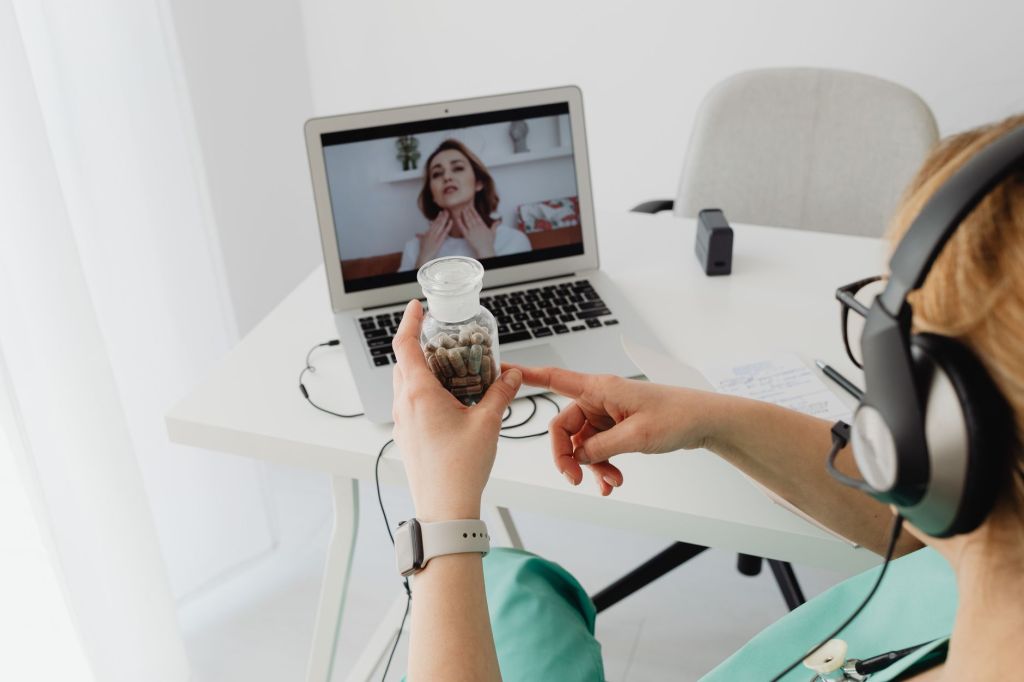
**Telehealth speech therapy—also called teletherapy or telepractice—allows people to recieve highly skilled and dysphagia-focused speech-language pathology services through a secure video connection from home (or wherever you may be with privacy!) **
For adults dealing with swallowing difficulties or changes, virtual therapy can be a convenient way to receive specialized care without adding another trip to the schedule.
What does ‘Telehealth Dysphagia SLP Therapy’ actually look like at ATTENUATED DYSPHAGIA?
It may be simpler than you think.
At your scheduled consultation or evaluation appointment time, you’ll connect with your speech-language pathologist through a secure video platform. You’ll be able to see and hear each other throughout the visit.
Your therapist will ask questions, listen to your concerns, observe your swallowing-related symptoms when appropriate, provide therapy exercises or more specific recommendations based on your individual needs. Referrals could include in-person SLP therapy, video-swallow studies, or local medical professions to join the team and solve the swallowing problem.
There isn’t a one-size-fits-all therapy routine.
**Your sessions are built around what you’re experiencing and what you want to be able to do in everyday life. **
Who can benefit from Dysphagia Speech Therapy delivered via telehealth? 
My adult caseload is focused on concerns that can affect 1) swallowing ease or safety, 2) need for second opinion or follow-up to previously recieved services, 3) unexplainable weightloss or recurrent respiratory infections with need to assess the involvement of dysphagia.
A dysphagia speech thereapy telehealth consultation or evaluation may be appropriate if you or a loved one are experiencing the following signs or symptoms of dysphagia:
- New or worsening cough or throat clearing before/during/after eating or drinking
- Food feeling stuck in the throat, chest
- Difficulty chewing
- Needing extra time to finish meals
- Changes in eating or drinking after a stroke or neurological condition
- Difficulty managing certain foods or liquids
- Concern about swallowing safely
- Changes in swallowing after surgery, illness, or other medical events
Depending on your situation, dysphagia speech therapy delivered via telehealth may allow your SLP to evaluate symptoms, observe eating or drinking when clinically appropriate, teach swallowing strategies, provide education, and develop an individualized treatment plan.
Importantly, not every swallowing problem can or should be evaluated entirely through video.
Some people need an instrumental swallowing evaluation, such as a Modified Barium Swallow Study (MBSS) or FEES (referred to above as video-swallow study), to see what is happening inside the throat. Your SLP can help determine whether additional testing or an in-person evaluation is needed.
What happens during the first appointment?
Your first appointment is about getting to know you, not just checking boxes on a form.
We’ll talk about your medical history, your concerns, and how those concerns are affecting your everyday life.
For example, you might tell me:
“I’m having more trouble swallowing my favorite crunchy foods without choking.”
Or:
“Eating takes me twice as long as it used to.”
Or:
“I cough almost every time I drink.”
Those everyday observations are important.
We’ll talk about what you’re noticing, when it happens, and what you’d like to improve.
Depending on your concerns, I’ll complete an evaluation and explain what I’m seeing, what it may mean, and what options are available.
What does treatment look like?
That depends on your goals.
Your sessions might include:
- Practicing safe swallow strategies
- Working on insight & awareness of dysphagia symptoms
- Improving airway protection
- Developing strategies for eating around others again
- Learning to manage changes in oral structure
- Practicing individualized swallowing exercises when appropriate
- Discussing food and drink modification strategies
- Education for you and your family or caregivers
- Problem-solving ways to make mealtimes easier
The goal is to take what we work on during therapy and make it useful outside of therapy.
One of the biggest advantages: You’re at home
For adult patients, this can be especially helpful.
Instead of getting dressed, driving to an appointment, finding parking, sitting in a waiting room, and driving home, you can often connect with your therapist from your own home.
And your home environment can actually provide valuable information.
For example, if we’re talking about swallowing, I may be able to observe aspects of your typical mealtime routine.
If we’re working on communication, we can discuss situations that actually happen in your home, such as talking with your spouse, communicating with family members, making phone calls, or participating in conversations.
We’re working toward skills you can use in real life—not just skills you can demonstrate during a therapy appointment.
What about family members or caregivers?
Family involvement can be very helpful for adult therapy.
With your permission, a family member or caregiver may participate in a session when appropriate.
They may learn how to support communication, understand swallowing recommendations, or help reinforce strategies between sessions.
You don’t have to navigate everything alone.
Do I need to be good with technology?
Not at all.
You don’t need to be a technology expert.
You’ll need a device with a camera and microphone and a reasonably reliable internet connection. I’ll provide instructions for connecting to your appointment.
If you’re nervous about using video visits, that’s completely understandable. Once you’ve completed your first appointment, many people find the process much easier than they expected.
Is virtual or telehealth therapy appropriate for everyone?
No—and that’s an important part of responsible teletherapy.
Your speech-language pathologist should consider your individual symptoms, medical history, goals, ability to participate in a video visit, technology access, and safety needs.
For swallowing concerns in particular, there are situations where an in-person evaluation or instrumental assessment is more appropriate.
ATTENUATED isn’t about trying to make every patient fit into a telehealth model.
It’s about determining whether this convisnient care is a safe and appropriate way to address your needs.
You don’t have to “wait and see” if a problem is affecting your life
Adults sometimes get used to changes in swallowing.
You may think:
“It’s probably just part of getting older.”
“I’m managing okay.”
“I’ll bring it up at my next appointment.”
But if something has changed—or if eating, drinking has become stressful—it’s worth discussing with a healthcare professional.
A speech-language pathologist can help determine what’s going on, what can be addressed through therapy, and whether additional evaluation is needed.


Leave a comment